
Green Book
In our offices we have implemented the following measures:
In order to promote the overall reduction of generated items & waste, our offices and facilities are designed using a minimalist approach to reduce non-useful storage.
100% of the paper used in our printers comes from recycled processes.
We have an “only print if necessary” policy to avoid paper waste
Each month, our reduced paper waste is sent to recycling facilities to be recycled again.
Our cleaning products and food/kitchen products are supplied by a local organic supermarket.
We use a reverse osmosis system in order to eliminate plastic bottles from our facilities.
Our kitchen is constantly being updated with the latest eco friendly measures. (E.g.:. no single use coffee capsules).
We promote the use of public transportation and non-polluting forms of transportation such as bikes, electric bikes and electric scooters by helping our employees fund them
We are mindful to include gender neutral language and images in all our communication, both internal and external. Promoting gender neutral communication creates an environment where women and men are equally visible.
We have an established criteria and procedure to ensure transparency and non-discrimination in the selection, hiring, training and evaluation processes of our team and crew.
Electrical appliances use policy:
1. Avoid boiling more water than necessary.
2. Continue with conscious and reduced electrical consumption
3. Use of AC / Heating only when strictly necessary.
When water bottles are required, we use carton water bottles from water companies with a carbon neutral certification.
We donate all the spare wardrobe and props from all our projects to various charity organisations, which are able to find a new use and purpose for them. We share our donations with either local charities or international charities
We strongly believe in the importance of a healthy work-life balance. Therefore our employees are always able to work from home when needed.
The use of online meetings when possible in order to decrease the total amount travels costs.
Our aim with the following recommendations is to also invite our partners, suppliers, co-workers and employees understand our approach and kindly act accordingly during the whole process of a production.
Pre production
Use digital and paperless methods to communicate. Where printing is unavoidable, use recycled paper. We especially encourage paperless PPMs.
Let all the crew, freelancers, suppliers and people involved in the project know about our sustainability goals. Assists and follow the steps that are required of them if needed, to ensure its fulfillment.
Replace all plastic bottles with more sustainable options like cardboard water bottles.
Encourage all our teams, local and foreign to have organic “food on the go” during all prep times and reduce plastic use. Always source from local supermarkets that share our eco goals.

Vehicles & Transportation
For all short, medium and long distance travel, we encourage the use of trains to avoid unnecessary flights. Plus keep on increasing the use of remote meetings when possible to avoid commuting.
Encourage the use of shared vehicles in order to reduce greenhouse gas emissions and contribute to more sustainable and efficient mobility
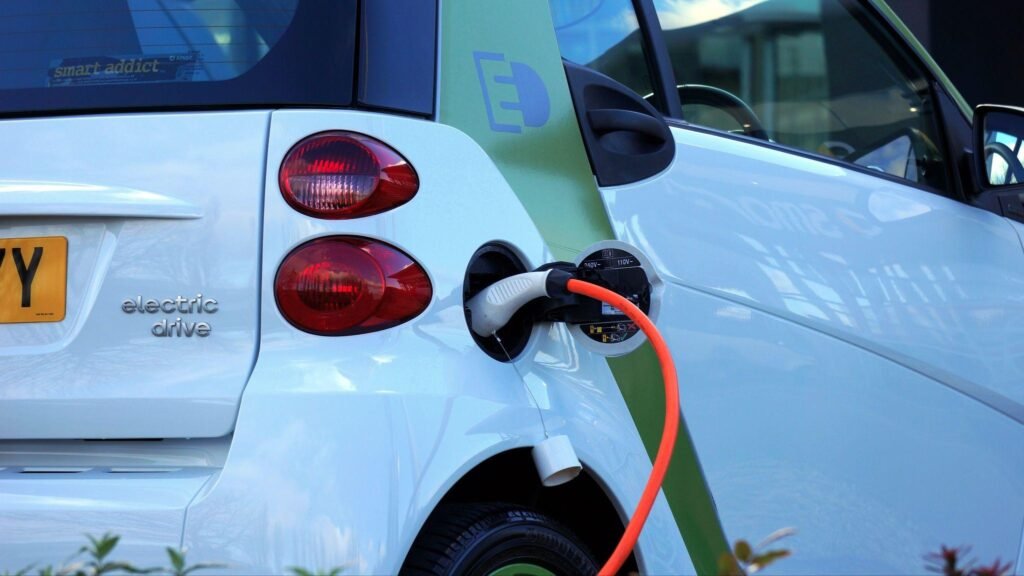
Use vehicles with Eco or Zero emissions when possible.
The vans should operate in an energy saving mode,decreasing consumption and increase performance.
Using services (couriers, food delivery...) that are committed to sustainable mobility.
Installation of secure parking spaces for bicycles, skateboards or folding bikes.
If portable toilets are installed, they will need to be run on biodegradable chemicals, aseptically and without formaldehyde. This also applies to the ones in motorhomes.
Catering
Water dispensers are provided and ask your local crew to bring their own refillable water bottles.
To facilitate recycling, all available cups should be made of paper. Waste recycling needs to be ever-present on each set and department.
Extend our recycled bins policy to our collaborators such as catering & production facilities companies
We promote environmentally friendly food practices throughout production. From catering on set, meals on the road & at the office it should be with minimal waste.All plates, cutlery and napkins should be from recycled sources and should be recycled after used.
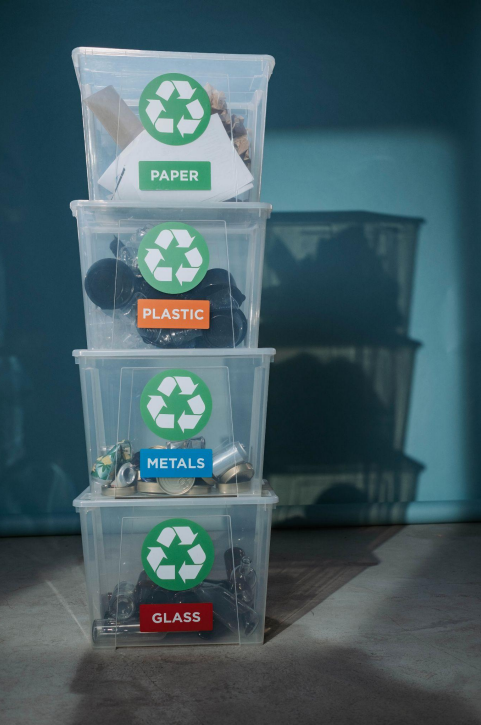
Provide selective waste containers suitable for the quantity and sorting of waste generated. All of containers must be clearly labeled and visible.
Use seasonal products according to the seasonal products calendar of the Department of Agriculture, Livestock, Fisheries and Food.
Try to get as many local sustainably sourced foods for your catering and craft service as possible. And when possible, favour the choice of items and brands with non-plastic packaging.
Please try to avoid food made with palm oil. We strongly suggest using as many organic free-range products as possible
Supply products without individual packaging. In the case of using capsule-operated coffee machines, they must be compostable.
Use reusable trays, plates, cups and cutlery. If this is not possible, they must be made of compostable materials.
It must be ensured that all sorting of selectively collected waste are managed in accordance with current regulations and properly delivered.
The catering staff must be informed beforehand about the sustainability measures that will be implemented on the shoot day, especially the ones regarding waste prevention measures
Ensure that your catering offer includes options for people with food intolerance (e.g., lactose intolerant, nuts or celiac disease) as well as vegetarian and vegan options.
Materials & waste
When defining and designing the set, prioritise the rental of materials over the purchase of new materials.
Once the shoot is over, it is necessary to ensure the selective collection and subsequent recycling of the materials that could not be given to entities or associations for their use.
Waste sorting containers for different recyclables (multi stream recycling) must be sized according to the amount of waste they contain and clearly and unequivocally labeled with the identification of the waste contained.
It must be ensured that all sorting of waste is managed in accordance with current regulations and to be properly delivered.
Minimize the printing of documents and wherever possible to use the digital copies of documents. If you need to print, please use paper made from 100% recycled fibers and in black and white and double-side, if possible.
After the shoot, please provide an inventory with all the waste and unused material in order to help calculate the precise amount needed in future productions to reduce the environmental impact.
This company covers the whole waste managing process on audiovisual projects, from the initial waste collection using recycling stations on set, to post-classification and final transport to a certified recycling centre for its subsequent revaluation or disposal


Future goals — Emissions and Energy consumption
Connection to the public network, whenever possible, avoiding the use of generators on sets.
In the case of power generators of less than 10 kW, the fuel used will be gasoline.
Follow and comply the ordinance concerning the restriction of the circulation of certain vehicles in the city of Barcelona in order to preserve and improve air quality.
We believe that our practices within our offices and extending to all our productions will reduce each day the environmental impact of our industry. This raises the overall production value of our projects shared with our clients, crews, and employees.
Team01 is committed to grow on this path and is always open to new techniques and practises that can help our teams & clients deliver productions in an ever-growing, sustainable way.
Therefore we have created this email account (eco@team1.sa.com) for you to share with us any new ideas that can expand our eco friendly knowledge & practices.
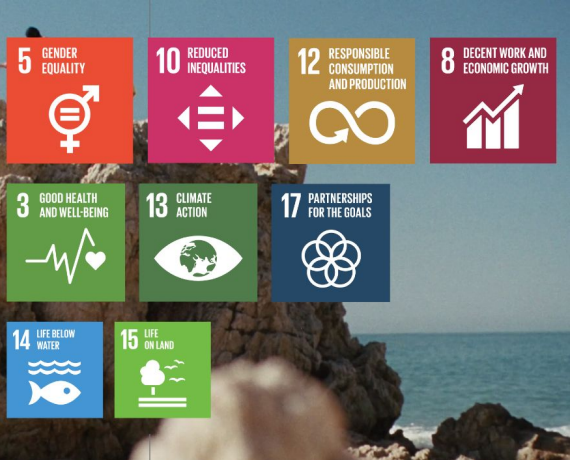
Our Sustainable Development Goals
Thank You